




















Sanitizing vs. Disinfecting: What's the Difference (and When Each One Matters)
 18.07.2026

Sanitizing and disinfecting are two different jobs. Sanitizing lowers the number of germs on a surface to a level a public-health standard considers acceptable, usually fast. Disinfecting uses an EPA-registered product, applied exactly as its label directs, to act on more germs and takes longer. Both are separate from cleaning, which just removes visible dirt.
What you'll need
- Dish soap or an all-purpose cleaner (for the cleaning step)
- Microfiber cloths, plus paper towels for anything you'd rather throw out
- An EPA-registered sanitizer or disinfectant, whichever the job calls for — check the label
- A spray bottle of plain water for rinsing food surfaces
- Reusable gloves
- A timer or your phone (label dwell times are exact, not suggestions)
- A cracked window or the exhaust fan running — important in a tight apartment
Step by step
- Clean first, always. Wipe the surface with soap and water to lift off dirt, grease, and crumbs. Sanitizers and disinfectants work on a clean surface; soil left behind gets in their way.
- Decide which step you actually need. For a kitchen counter or a cutting board that touched food, sanitizing is usually the right level. For a bathroom surface or something touched during illness, reach for a disinfectant.
- Read the product label before you spray. The label tells you whether it sanitizes, disinfects, or both, and it lists the surfaces it's registered for.
- Apply enough to keep the surface visibly wet. The label specifies how long the surface must stay wet. Set your timer and don't wipe early — that's the single most common mistake.
- Rinse where food or skin will touch. On counters, cutting boards, and high chairs, follow the label's rinse instructions with plain water after the wait time.
- Air it out. In a small NYC apartment, product fumes linger. Open the window if it opens, or run the bathroom or range fan while surfaces dry.
What NOT to do
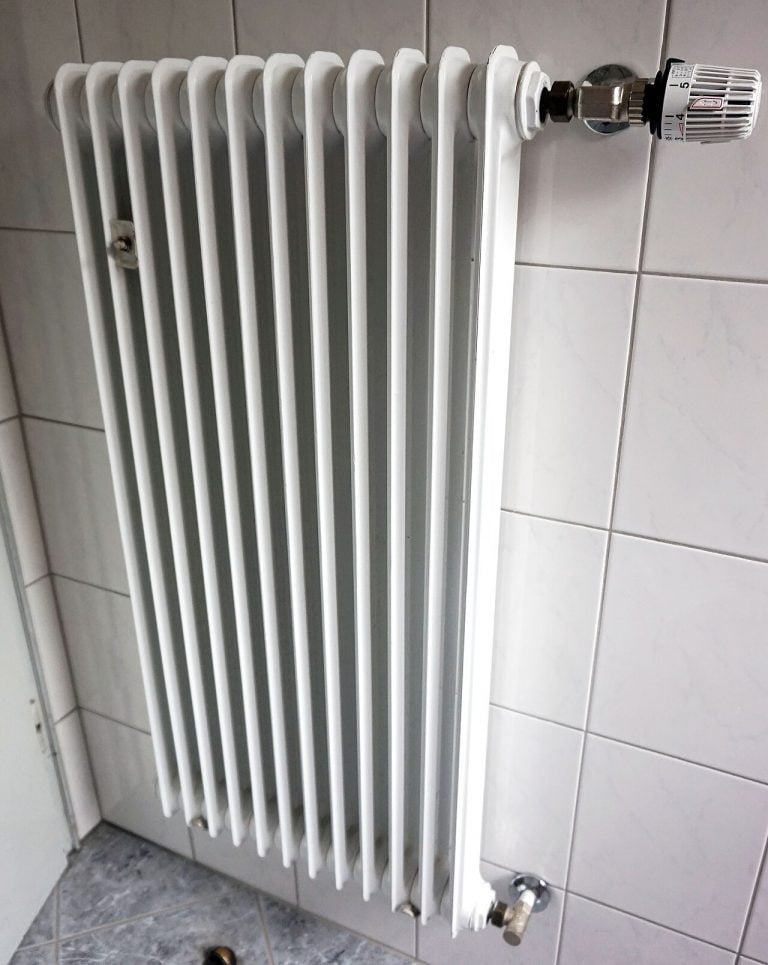
Don't disinfect a dirty surface and expect results — soil blocks the product, so cleaning first isn't optional. Don't mix products; bleach-based and ammonia-based cleaners together create a hazardous gas, which is a real danger in a windowless bathroom. Don't use a bathroom disinfectant on food-prep surfaces unless its label lists kitchen use and a rinse step. Keep any spray off your steam radiator — the finish can discolor and heat drives fumes into the room. Skip disinfectant sprays on unsealed wood, natural stone, and some electronics screens; they can dull, etch, or strip coatings. And wiping before the label's wait time is up just spreads product around without giving it time to work.
When to call a pro
DIY handles routine upkeep in a small apartment, but there's a point where it stops being worth your Saturday — a move-out deep clean a landlord will inspect, a unit after a plumbing backup, or the kind of buildup in a rental kitchen that a single wipe-down won't touch. A cleaning team brings the right products for each surface and the time to let them work per label, without you crouching over a phone timer in a room with no window. If that's where you are, book apartment cleaning with CleanWhale and hand off the deep work.
FAQ
Is sanitizing enough, or do I always need to disinfect?
For everyday kitchen surfaces, sanitizing is usually the level you want. Disinfecting is a stronger, slower step you reach for in specific situations — a bathroom, or a home where someone has been sick. You don't need to disinfect every surface every day.
Does cleaning with soap and water disinfect?
No. Cleaning removes dirt, grease, and a portion of the germs along with them, which genuinely matters — but it isn't disinfecting. Disinfecting is a separate step using an EPA-registered product applied per its label. Think of cleaning as the required first move, not a substitute.
How long do I leave a disinfectant on the surface?
Only the product's label can tell you — the required wet time varies by product, and it's printed there for a reason. Set a timer, keep the surface visibly wet the whole time, and don't wipe early. Guessing shortchanges the process.
Can I make one all-purpose spray for the whole apartment?
It's tempting in a place with no storage, but one product rarely fits every surface. A disinfectant registered for the bathroom may not be labeled for food-prep counters, and some sprays damage wood or stone. Match the product to the surface and the job instead.
Related guides