




















Deep Clean Kitchen Checklist for Small NYC Apartments
 10.08.2026

To deep clean a kitchen, work top to bottom in this order: empty and wipe cabinets, degrease the range hood and backsplash, scrub the stovetop and oven, clean inside the fridge, then finish the sink, counters, and floor. In a small NYC apartment, budget two to three hours and clear the counters first so you have room to work.
What you'll need
- Dish soap and a degreaser (a heavier-duty grease-cutting cleaner for the hood and backsplash)
- Baking soda and white vinegar for scrubbing and rinsing
- Microfiber cloths and a few old dish towels
- A non-scratch scrub sponge and an old toothbrush for grout and edges
- A bucket or your largest pot (many apartment kitchens have no utility sink)
- Rubber gloves and a trash bag
- Optional: a plastic putty scraper for cooked-on stovetop spills
Step by step
- Clear the counters. Move everything off the counters and stovetop onto the table or floor. In a tight galley kitchen, this is the only way to actually reach the corners.
- Empty and wipe the cabinets. Take everything out one shelf at a time, wipe the shelf, and check for crumbs in back corners. Toss expired pantry items into the trash bag as you go.
- Degrease the range hood and backsplash. Apply degreaser to the hood, filter, and the wall behind the stove. Let it sit a couple of minutes, then wipe. Pop the metal filter out and soak it in hot water with dish soap.
- Scrub the stovetop. Lift the grates and burner caps and soak them. Make a baking soda paste for cooked-on spots and use the plastic scraper, not a metal blade, on glass tops.
- Clean the oven. Spread a baking soda and water paste inside, avoiding the heating elements and vents, leave it overnight if you can, then wipe and rinse. Wash the racks in the tub.
- Clean the fridge. Pull shelves and drawers, wash them in the sink, wipe the interior, and wipe the door gasket. Vacuum or wipe the coils and grille if you can reach them.
- Descale small appliances. Run a vinegar-and-water cycle through the coffee maker and kettle to break down mineral buildup from NYC tap water.
- Do the sink and faucet. Scrub the basin, use the toothbrush around the faucet base and drain, and wipe the aerator.
- Finish counters and floor. Wipe every counter, then sweep and mop, working toward the door.
What NOT to do
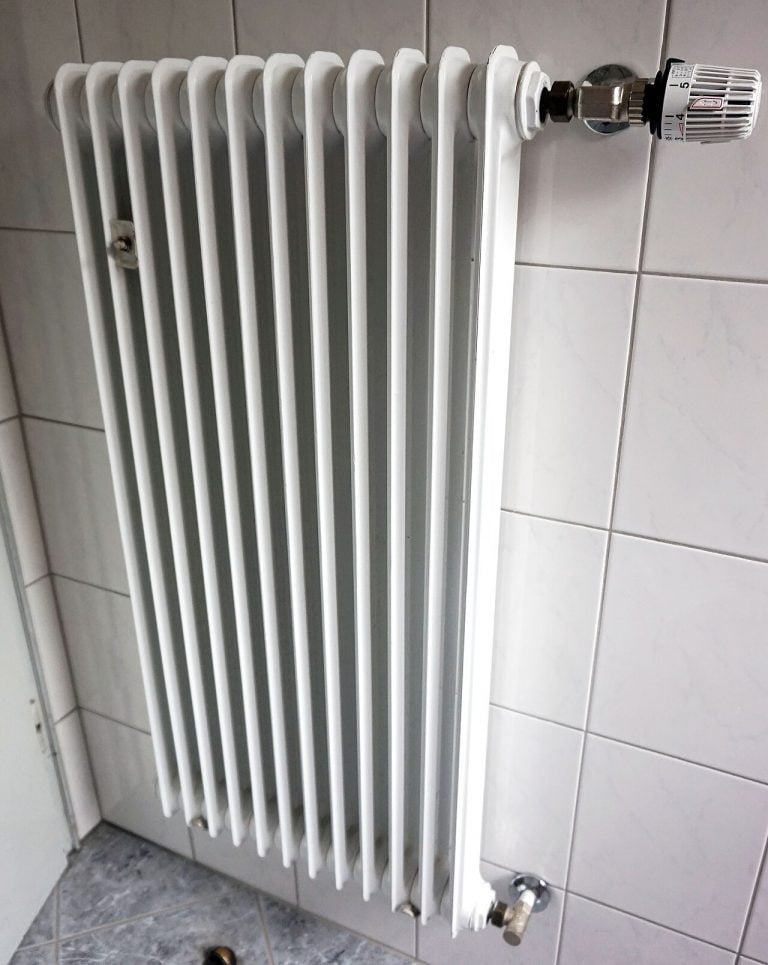
Don't use a metal scraper or abrasive powder on a glass or ceramic stovetop, or on a stainless steel front; both scratch permanently. Skip abrasive cleaners on natural stone or laminate counters, which can dull or etch the surface. Never mix bleach with vinegar or ammonia, and keep any cleaner off the oven's heating elements. On sealed hardwood or laminate floors, wring the mop nearly dry; standing water swells the seams. And keep spray cleaners away from a steam radiator near the kitchen or its valves.
When to call a pro
DIY handles routine buildup, but some jobs hit a wall. Years of baked-on grease behind a hood, a landlord move-out clean where you need every surface to pass inspection, or simply a kitchen you never have a free afternoon for, are all worth handing off. If you'd rather get your Saturday back, book a deep cleaning with CleanWhale and we'll bring the supplies and the time.
FAQ
How long does it take to deep clean a small kitchen?
Plan on two to three hours for an average NYC apartment kitchen. The oven is the slowest part, so start the baking soda paste early or leave it overnight and finish the rest while it works.
How often should I deep clean my kitchen?
Every three to four months for a deep clean, on top of wiping counters and the stovetop weekly. If you cook with a lot of oil or have limited ventilation, the range hood may need attention more often.
Can I clean the oven without a chemical oven cleaner?
Yes. A paste of baking soda and water left to sit, then wiped and rinsed, lifts most buildup. Keep it off the heating elements and vents, and repeat on stubborn spots rather than scrubbing with anything abrasive.
What's the best way to cut kitchen grease?
Let a degreaser or hot soapy water sit on the surface for a couple of minutes before wiping, rather than scrubbing dry. The dwell time softens the grease so it comes off with far less effort.
Related guides