





















Tackling Stubborn Toilet Stains: DIY or Call a Pro?
 09.05.2026
In the bustling city of New York, where space is at a premium and time is often in short supply, maintaining a clean home can be a challenging task. Recently, a Reddit discussion caught our attention, highlighting a common yet frustrating issue: black or purple stains appearing on the edges of toilet seats after cleaning. This peculiar problem has left many New Yorkers puzzled, wondering whether it's a DIY fix or if professional help is required.
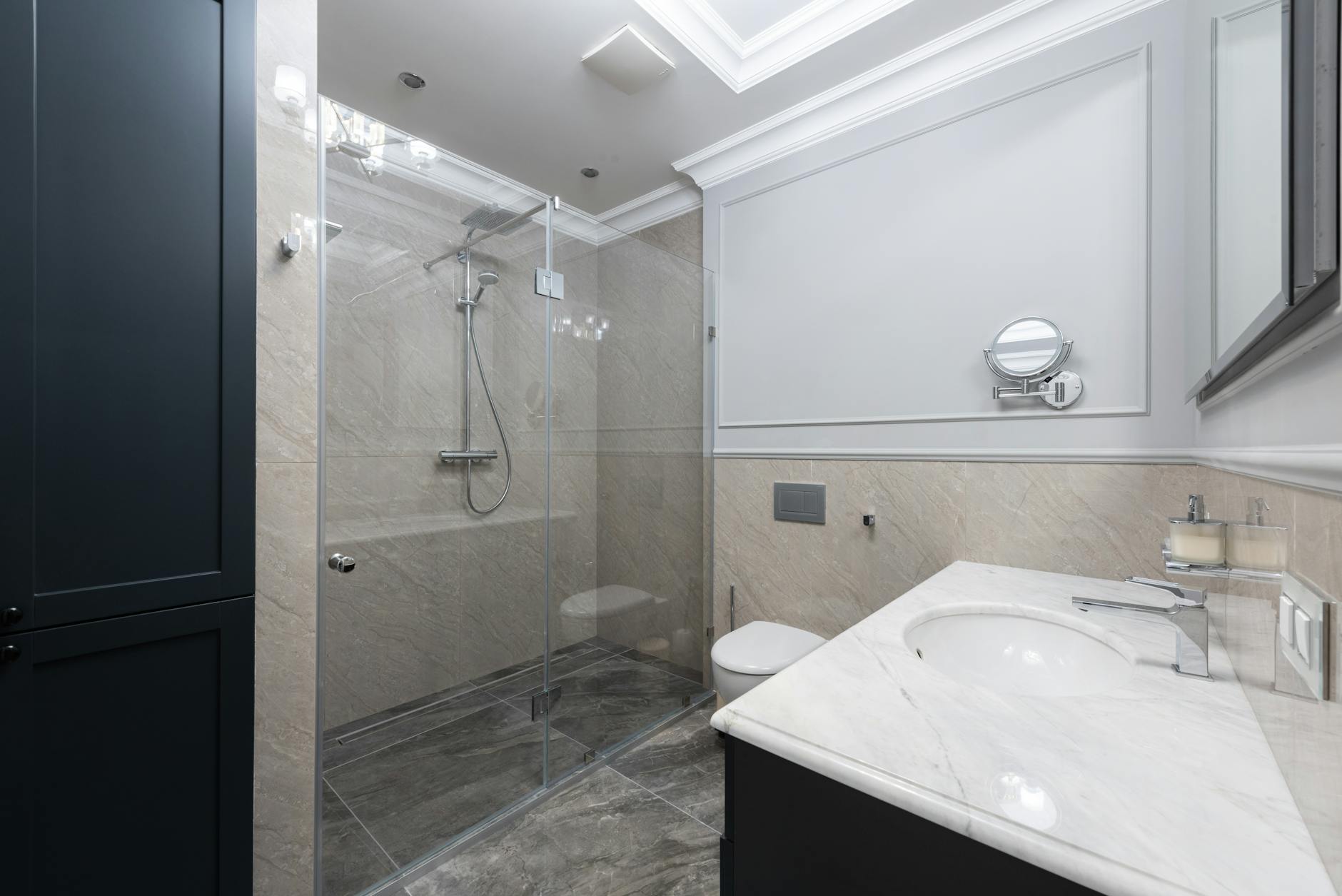
What People Are Really Struggling With
From the Reddit discussion, it’s clear that these mysterious stains are a source of frustration for many. People are concerned about the appearance of their bathrooms and the potential health implications of these unsightly marks. The stains often appear after cleaning, leading to confusion about their origin and the effectiveness of the cleaning products being used. The main struggles include:
- Identifying the cause of the stains
- Finding effective cleaning solutions that prevent recurrence
- Balancing time and effort spent on cleaning with other daily responsibilities
What This Means in New York Homes and Apartments
In New York, where many residents live in older buildings with outdated plumbing, these stains can be more than just an aesthetic issue. They might indicate underlying problems such as mineral deposits from hard water or mold growth due to poor ventilation. For apartment dwellers, addressing these issues can be complicated by building regulations and shared plumbing systems. Understanding the root cause is crucial to finding a lasting solution.
Older buildings often have plumbing that has seen better days. Hard water, which is common in many parts of New York, contains high levels of minerals like calcium and magnesium. These minerals can leave deposits on fixtures, including toilet seats, which may appear as dark stains over time. Additionally, poor ventilation in small bathrooms can lead to increased humidity, creating a perfect environment for mold and mildew, which can also contribute to staining.
What You Can Try Yourself
If you're dealing with these stains, there are several DIY approaches you can take before calling in the pros. First, try using a mixture of baking soda and vinegar to scrub the affected areas. This natural solution can help remove stains without harsh chemicals. Additionally, ensure your bathroom is well-ventilated to prevent mold growth. Here are some steps you can follow:
- Mix equal parts of baking soda and vinegar to form a paste.
- Apply the paste to the stained areas and let it sit for 15-20 minutes.
- Scrub gently with a soft brush, then rinse thoroughly with water.
- Repeat the process if necessary, and ensure the bathroom is adequately ventilated.
For those who prefer commercial cleaning products, look for those specifically designed to tackle hard water stains or mold. It's important to follow the instructions carefully to avoid damaging surfaces. Regular cleaning and maintenance can also help prevent stains from forming in the first place. Consider installing a water softener if hard water is a recurring issue in your home.
When It Is Smarter to Hire a Pro
Sometimes, despite your best efforts, stains persist or reappear. In such cases, it might be more efficient to hire a professional cleaning service. Professionals have access to industrial-grade cleaning products and equipment that can tackle stubborn stains more effectively. Moreover, they can assess whether there are underlying issues with your plumbing or ventilation that need addressing. Hiring a pro is especially advisable if:
- The stains return quickly after cleaning
- You're unsure about the cause of the stains
- You want to ensure a deep, thorough clean without damaging surfaces
For New Yorkers, time is often more valuable than money, and hiring a professional can save you both in the long run. Professional cleaners can provide peace of mind, knowing that your home is not only clean but also free from potential health hazards. They can also offer advice on maintaining cleanliness and preventing future issues.
Additionally, professionals can conduct a more thorough inspection of your bathroom's plumbing and ventilation systems. They can identify any leaks, clogs, or ventilation problems that might be contributing to the staining issue. Addressing these underlying problems can prevent future occurrences and improve the overall hygiene of your bathroom.
Understanding the Bigger Picture
While the immediate concern is removing unsightly stains, it's important to consider the larger implications of recurring bathroom issues. Persistent stains might be a symptom of broader problems that could affect other parts of your home. For example, mold growth due to poor ventilation can spread to other areas, potentially causing respiratory issues for residents. Similarly, hard water deposits can damage plumbing fixtures over time, leading to costly repairs.
In a city like New York, where many residents rent their homes, communicating with landlords or building management is crucial. They may be responsible for addressing plumbing or ventilation issues, especially if they affect multiple units. Documenting the problem and any attempts to resolve it can be helpful when discussing potential solutions with property managers.
Conclusion
In conclusion, while DIY methods can be effective for minor issues, persistent or recurring stains might require professional intervention. CleanWhale New York offers comprehensive cleaning services tailored to the unique challenges of city living. Contact us today to learn how we can help keep your home sparkling clean.
Ultimately, maintaining a clean and healthy home in New York requires a proactive approach. By understanding the potential causes of toilet seat stains and taking appropriate action, whether through DIY methods or professional services, you can ensure your bathroom remains a pleasant and hygienic space. Remember, a clean home is not just about aesthetics; it's about creating a safe and comfortable environment for you and your family.