





















Navigating Plumbing Challenges in New York: DIY or Call a Pro?
 04.04.2026
Living in New York means dealing with unique challenges, especially when it comes to home maintenance. Recently, a Reddit discussion highlighted the frustrations many residents face with plumbing issues. This conversation offers valuable insights into common concerns and practical solutions for New Yorkers.
What people are really struggling with
The Reddit thread revealed several key concerns among New York residents when dealing with plumbing issues. Many people feel frustrated by unexpected costs and the difficulty of finding reliable professionals. There is also a sense of vulnerability, as some fear being overcharged or receiving subpar service. These concerns are compounded by the urgency often associated with plumbing problems, which can quickly escalate if not addressed promptly.
One of the most frequently mentioned issues is the unpredictability of plumbing problems. A small leak can suddenly turn into a major flood, causing significant damage and stress. Additionally, the cost of repairs can vary widely, leaving homeowners uncertain about budgeting for these unexpected expenses. The fear of being overcharged is particularly prevalent, as many residents have shared stories of receiving exorbitant quotes for seemingly minor repairs.
Another common frustration is the difficulty in finding a reliable plumber. With so many options available, it can be challenging to determine which professionals are trustworthy and capable. Many New Yorkers rely on word-of-mouth recommendations, but even these can be hit or miss. The fear of hiring someone who might not do a good job adds another layer of stress to an already tense situation.
What this means in New York homes and apartments
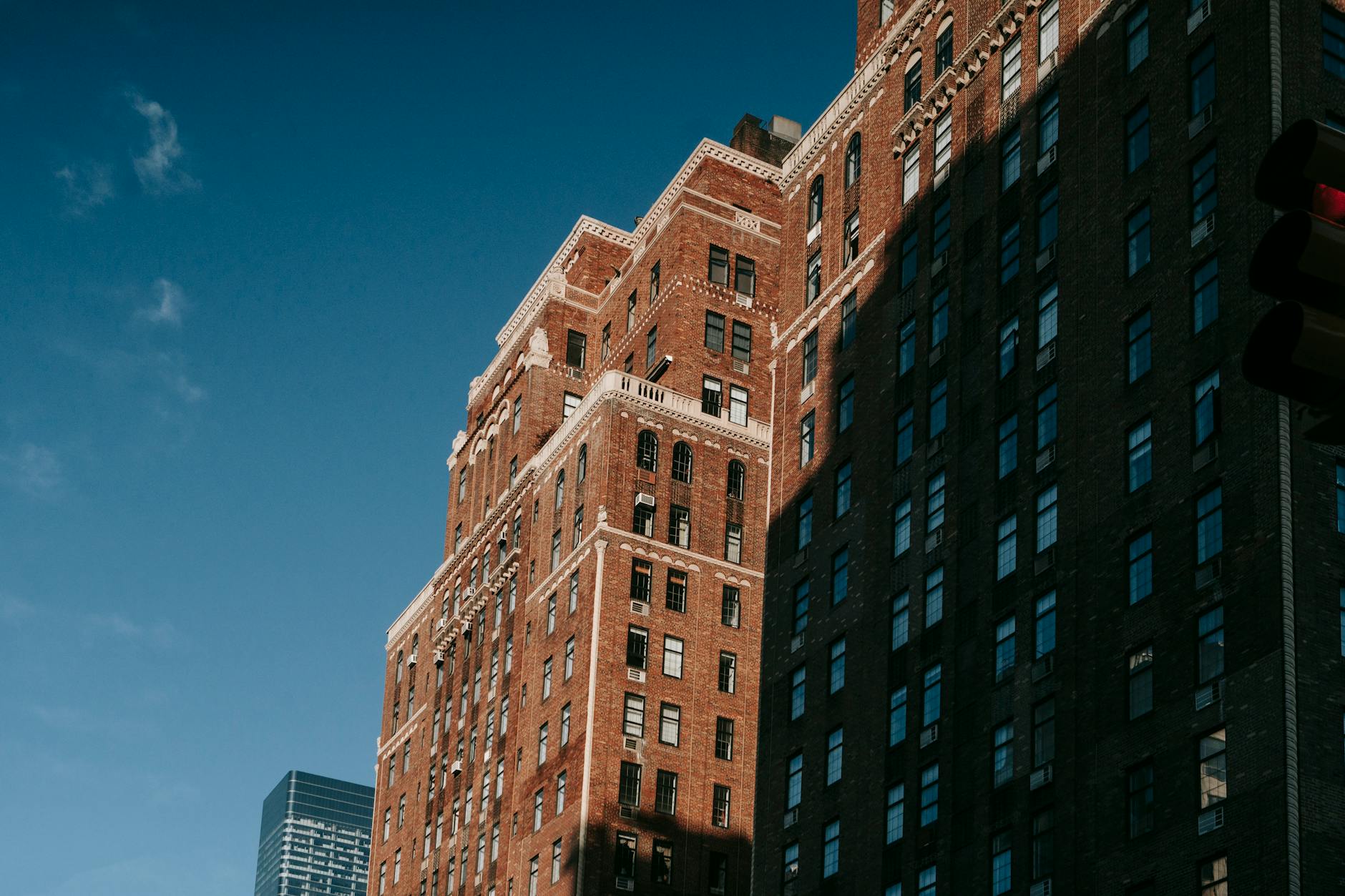
In New York, space is at a premium, and plumbing systems can be complex, especially in older buildings. Common issues include clogged drains, leaky faucets, and malfunctioning toilets. The city's unique infrastructure and the age of many buildings mean that plumbing problems can be more frequent and challenging to resolve. Additionally, living in close quarters means that a plumbing issue in one apartment can easily affect neighbors, adding pressure to resolve problems quickly.
The age of many New York buildings contributes to the complexity of plumbing systems. Older pipes may be more prone to corrosion and leaks, while outdated fixtures can malfunction more frequently. The dense urban environment also means that plumbing systems are often interconnected, so a problem in one unit can quickly spread to others. This interconnectedness requires swift action to prevent widespread issues, further emphasizing the need for reliable professionals.
Moreover, the diverse range of building types in New York—from historic brownstones to modern high-rises—means that plumbing systems can vary significantly. Each type of building presents its own set of challenges, requiring different approaches to maintenance and repair. Understanding the specific needs of your building type is crucial for effective plumbing management.
What you can try yourself
While some plumbing issues require professional intervention, there are several tasks you can tackle on your own:
- Unclogging drains: Use a plunger or a drain snake to clear minor clogs. For tougher clogs, a mixture of baking soda and vinegar can sometimes do the trick. Pour the baking soda down the drain, followed by vinegar, and let it sit for a few hours before flushing with hot water.
- Fixing leaky faucets: Often, replacing a washer or tightening a valve can stop a leak. Make sure to turn off the water supply before attempting any repairs to avoid further complications.
- Running toilets: Adjusting the float or replacing the flapper can usually resolve this issue. If the problem persists, check for other potential causes, such as a worn-out fill valve or a misaligned float arm.
These DIY solutions can save you time and money, but it's important to assess the situation carefully. If you're unsure or the problem persists, it may be time to call in a professional. Always consider the potential risks of DIY repairs, such as causing further damage or voiding warranties on fixtures.
When it is smarter to hire a pro
There are certain situations where hiring a professional is the best course of action. If you encounter any of the following, it's wise to seek expert help:
- Persistent leaks that could lead to water damage. Water damage can be costly to repair and may lead to mold growth, which poses health risks.
- Major clogs that don't respond to DIY efforts. Stubborn clogs may require specialized tools and expertise to clear effectively.
- Issues with water pressure or unusual noises in pipes. These can indicate underlying problems that require professional diagnosis and repair.
- Complex installations or repairs, such as replacing pipes or installing new fixtures. Professionals have the necessary skills and equipment to handle these tasks safely and efficiently.
Professional plumbers have the tools, experience, and knowledge to address these issues efficiently and safely. They can also provide valuable advice on maintaining your plumbing system and preventing future problems. When selecting a plumber, consider factors such as experience, reputation, and customer reviews to ensure you choose a reliable professional.
In conclusion, while some plumbing issues can be handled with a bit of DIY effort, others require the expertise of a trained professional. For New Yorkers, understanding when to tackle a problem yourself and when to call in a pro can save both time and money. If you're facing a plumbing challenge, CleanWhale New York is here to help with reliable, professional services tailored to your needs.
To prevent plumbing issues from arising in the first place, regular maintenance is key. Consider scheduling periodic inspections with a professional to catch potential problems early. Simple tasks such as regularly cleaning drains and checking for leaks can also go a long way in maintaining the health of your plumbing system. By staying proactive, you can minimize the risk of unexpected plumbing emergencies and ensure your home remains a comfortable and safe place to live.
```