






















How to Get Rid of a Musty Smell in Your Apartment
 13.07.2026

A musty smell in your apartment usually means trapped moisture is feeding mold or mildew somewhere you can't see, often behind furniture, under a sink, around a radiator, or inside a closet against an exterior wall. To fix it, find the damp source, dry it out, scrub visible growth off hard surfaces, and keep air moving. Masking the odor won't work until the moisture is gone.
What you'll need
- Microfiber cloths and a scrub brush
- Dish soap and warm water for general washing
- An EPA-registered mold or mildew cleaner for hard surfaces (follow the label)
- Rubber gloves and, in a room with a non-opening window, an N95 mask
- A box fan or small circulating fan
- A dehumidifier or moisture-absorbing tubs if your unit runs damp
- A flashlight for checking under sinks and behind the radiator
- Trash bags for anything soft and moldy you can't wash
Step by step
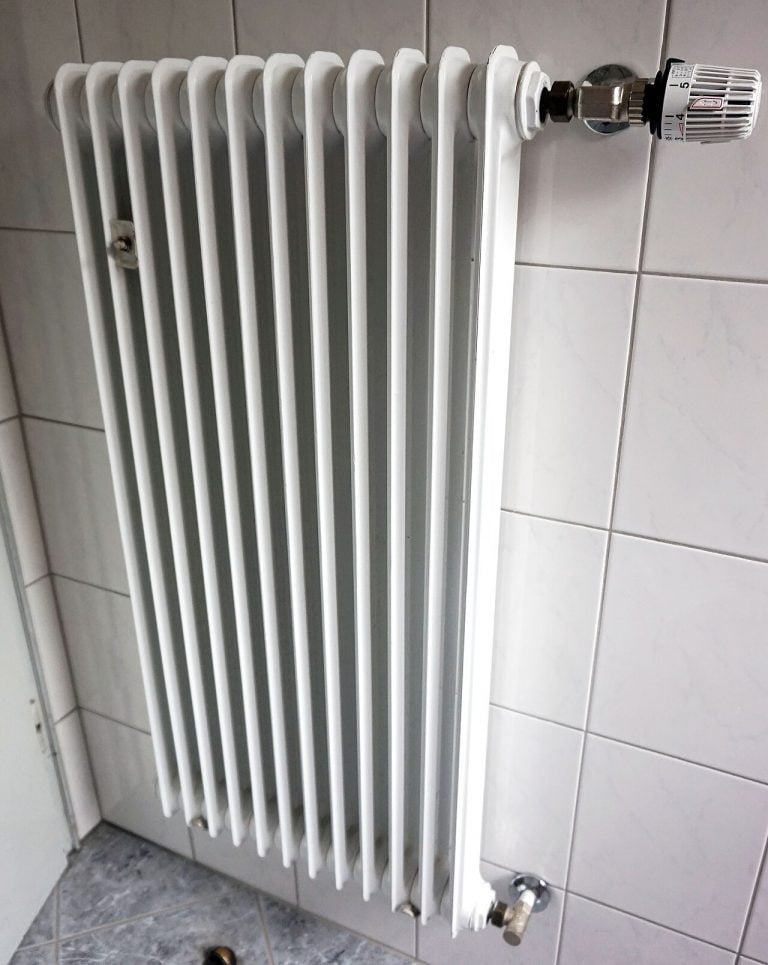
- Hunt for the source. Walk the apartment nose-first: under the kitchen and bathroom sinks, behind the toilet, around window frames, inside closets on exterior walls, and near the radiator. Musty smells cluster where cold surfaces meet warm, humid air.
- Fix obvious moisture first. Tighten a dripping supply line, clear a slow drain, and wipe standing water. If a radiator or pipe is condensing, keep a cloth on it and improve airflow.
- Wash hard surfaces. For sealed tile, painted walls, plastic, and metal, scrub with dish soap and warm water, then dry completely. Drying is what stops regrowth.
- Treat visible growth. On non-porous surfaces, apply an EPA-registered mold or mildew product exactly as its label directs, then wipe and dry.
- Deal with soft goods. Launder washable curtains, bath mats, and fabric on the hottest setting the care tag allows. Rugs, cushions, or drywall with spreading growth may need to go.
- Air it out and lower humidity. Run a fan, crack a window if yours opens, and run a dehumidifier or place moisture absorbers in closets. Aim to keep indoor humidity under about 50 percent.
- Recheck in a few days. If the smell returns, the moisture source is still active.
What NOT to do
- Don't spray fragrance or plug in an air freshener and call it done. You're covering the smell while the dampness keeps working.
- Don't soak porous surfaces. Drywall, unsealed grout, and wood absorb water and grow more growth once wet, not less.
- Don't dry a wet radiator area by cranking the heat and closing the room. Trapped warm, humid air makes musty odors worse, especially with a non-opening window.
- Don't mix cleaning products. Combining bleach-based and ammonia-based or acidic cleaners can create dangerous fumes in a small, poorly ventilated NYC bathroom.
- Don't paint over a stain to hide it. Growth bleeds back through and you lose the visual warning sign.
When to call a pro
DIY handles surface mildew on tile, plastic, and painted walls in a small apartment. But if the musty smell keeps coming back, spreads across more than a few square feet, sits inside drywall or under flooring, or traces to a leak behind the wall, that's beyond a cloth and a spray bottle, and it's your landlord's problem to inspect and repair. When the moisture source is fixed and you just need the apartment scrubbed top to bottom and aired out, book apartment cleaning with CleanWhale.
FAQ
Why does my apartment smell musty even though it looks clean?
Musty odor comes from moisture and hidden growth, not visible dirt. Check spots you rarely look at: behind furniture on an exterior wall, under the sink, inside closets, and around the radiator. The smell is the clue that dampness is present somewhere out of sight.
Does the smell mean I have mold?
Often it points to mold or mildew growing on a damp surface, but a musty smell can also come from stagnant water in a drain, a wet rug, or damp storage. Track down the moisture first, then decide whether you're looking at growth you can clean or a repair issue.
Will a dehumidifier fix a musty smell on its own?
It helps by lowering the humidity that growth needs, which is useful in a tight NYC apartment with poor airflow. But it won't remove growth that's already established. Clean the affected surfaces first, then run the dehumidifier to keep the air dry and stop the smell from returning.
How do I keep it from coming back?
Keep air moving, wipe condensation off cold surfaces and the radiator, avoid overstuffing closets against exterior walls, dry bath mats and towels between uses, and keep indoor humidity under roughly 50 percent. Consistent airflow and dryness are what keep an apartment from turning musty again.
Related guides