






















How to Choose and Use the Best Disinfectant Spray in a Small NYC Apartment
 24.07.2026

The best disinfectant spray for a NYC apartment is any EPA-registered product whose label lists the surfaces in your kitchen and bathroom, fits the ventilation you actually have, and stores flat in a tiny cabinet. Skip the brand hype: flip the bottle over, read the EPA registration number and directions, and follow the dwell time printed there.
What you'll need
- An EPA-registered disinfectant spray (the label shows an "EPA Reg. No.")
- A separate all-purpose cleaner or dish soap for the pre-clean step
- Microfiber cloths, plus paper towels for anything greasy
- Nitrile or rubber gloves
- A timer (your phone works) to track the label's dwell time
- A box fan or the bathroom exhaust fan if your window doesn't open
Step by step
- Read the label first. Disinfectants only work on surfaces named in the directions, and only for the "contact time" printed there. If the surface stays wet for a shorter time, it isn't disinfected.
- Clean before you disinfect. Wipe away grease, crumbs, and soap scum with an all-purpose cleaner. A disinfectant applied over grime does little.
- Ventilate. Open a window if you have one. If your window is painted shut or non-opening, run the bathroom exhaust fan or set a box fan blowing toward the kitchen, and open the apartment door to the hallway for a few minutes.
- Spray until the surface is visibly wet. Cover countertops, the bathroom sink, toilet handle, and doorknobs.
- Set your timer for the full dwell time. Most labels call for the surface to stay wet for several minutes. Re-spray if it dries early.
- Wipe or rinse. On food-prep counters and anything a child or pet touches, rinse with water afterward unless the label says otherwise.
- Store it upright and locked away from kids, pets, and the reach of a curious roommate.
What NOT to do
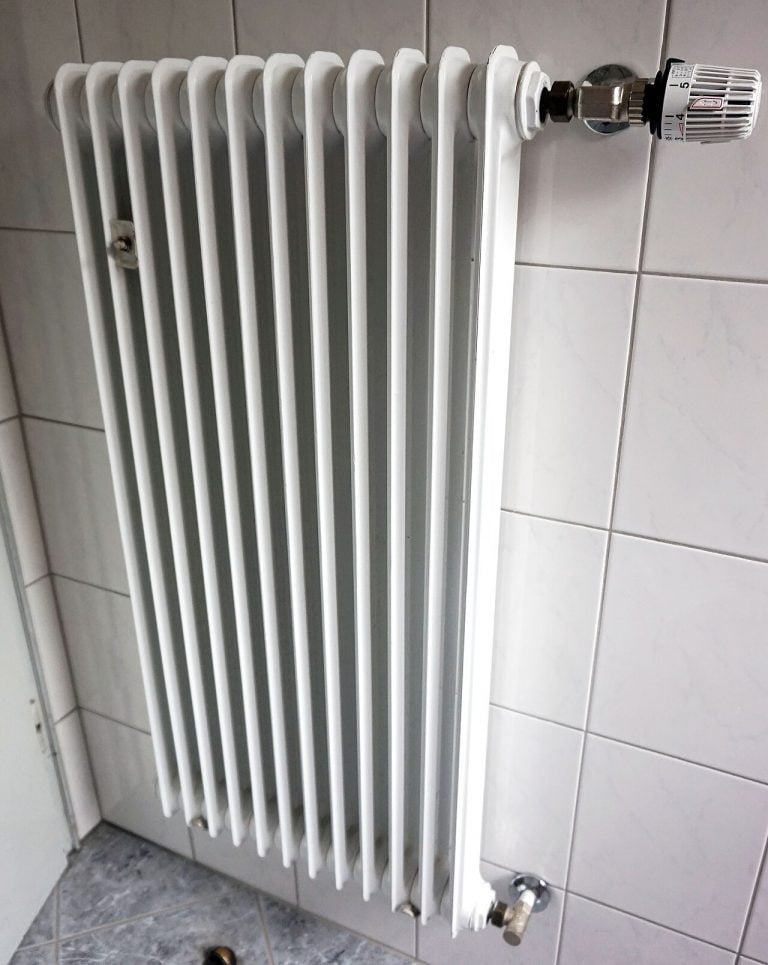
Don't use bleach-based sprays on stone countertops, unsealed grout, or a stainless steel radiator cover — they etch, pit, and discolor. Never mix a bleach product with anything containing ammonia or acid; the fumes are dangerous in a small, poorly ventilated apartment. Keep disinfectant off unsealed hardwood floors, where it lifts the finish, and off warm steam-radiator surfaces, where it flashes off before it can work and leaves streaks. Don't spray electronics directly; dampen a cloth instead.
When to call a pro
DIY disinfecting works for daily kitchen and bathroom touch-points, but it stops at deep grime, sealed grout you can't get white again, radiator gaps you can't reach, and a move-out clean your landlord will inspect. If you're short on time, storage, or a window that opens, a trained team brings the right products and ventilation know-how. Book apartment cleaning with CleanWhale and hand off the parts a spray bottle can't fix.
FAQ
Is a disinfectant spray the same as a cleaner?
No. A cleaner removes dirt and grease; a disinfectant is an EPA-registered product meant to reduce microorganisms on a hard surface. Many bottles do both, but you still have to clean first, then let the disinfectant sit for its full labeled dwell time.
Can I disinfect if my apartment window doesn't open?
Yes, but ventilate deliberately. Run the bathroom or kitchen exhaust fan, point a box fan toward an open door, and take breaks. Disinfectants are not "safe" to breathe in a sealed room, so follow the label's ventilation warnings closely.
Does vinegar work as a disinfectant?
Vinegar is a useful cleaner for cutting grease and mineral scale, but it is not an EPA-registered disinfectant. If your goal is disinfecting, use a product whose label carries an EPA registration number and lists your surface.
How should I store disinfectant in a tiny apartment?
Keep the bottle upright in a cabinet away from heat and out of reach of children and pets. One multi-surface spray that covers your counters, sink, and bathroom saves shelf space over buying several single-purpose products.
Related guides