






















How to Tackle Musty and Dirty Tapestries in Your New York Home
 19.04.2026
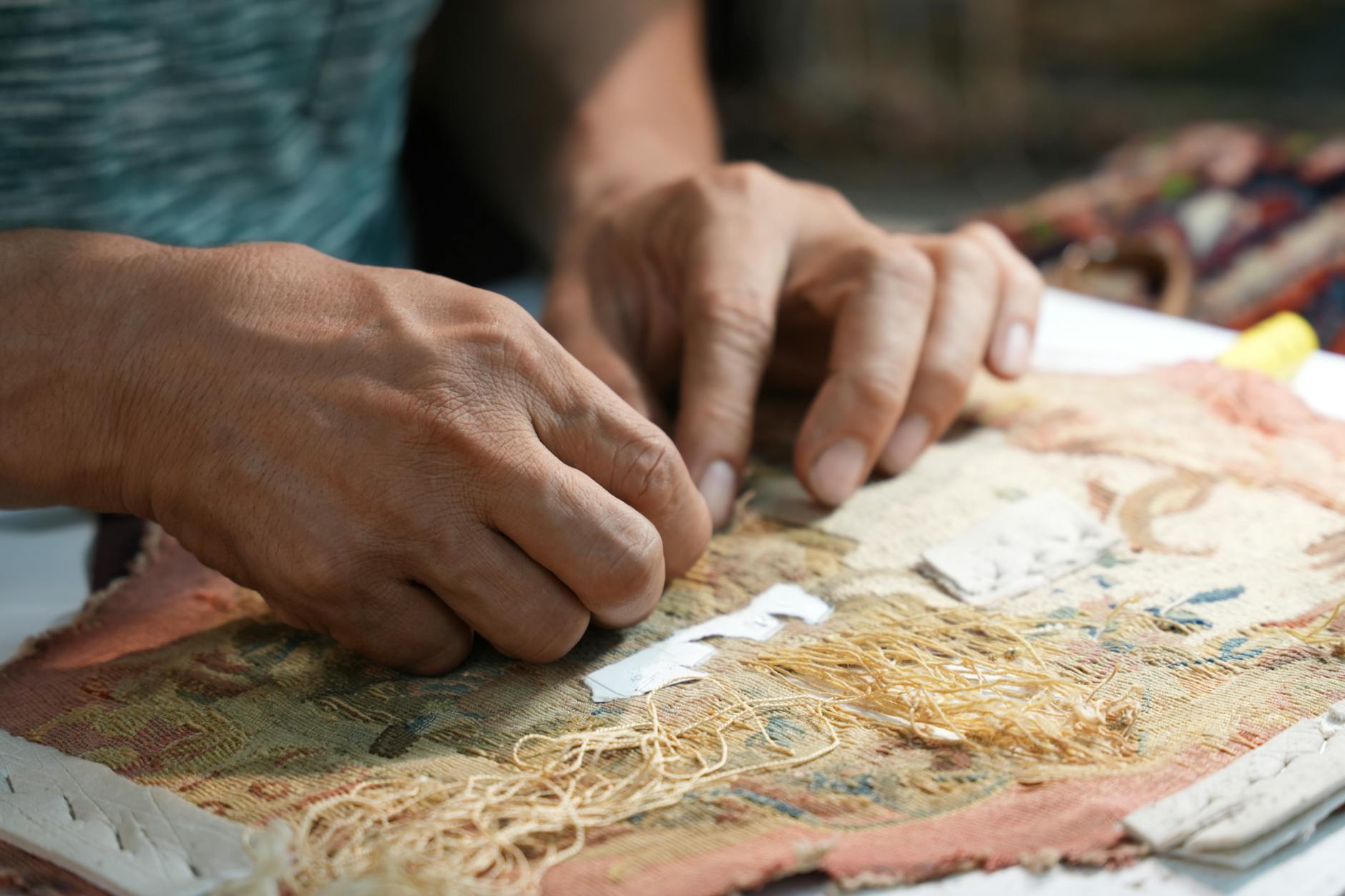
In the bustling city of New York, where space is often at a premium, every piece of decor in your home counts. So, when you inherit a unique hand-stitched leather and fur tapestry, it's a treasure worth preserving. However, as a recent Reddit discussion highlighted, such pieces can come with challenges like musty odors and visible dirt. Let's explore how to address these issues effectively.
What People Are Really Struggling With
When it comes to cleaning delicate items like a leather and fur tapestry, many people feel overwhelmed. The main concerns include:
- Removing musty odors without damaging the material.
- Cleaning visible dirt and stains effectively.
- Preserving the integrity and beauty of the tapestry.
The Reddit discussion revealed that these issues are common, especially with inherited pieces that have been stored improperly or for long periods. The emotional value attached to such items often adds to the pressure of maintaining them in pristine condition.
What This Means in New York Homes and Apartments
In New York, where many apartments lack proper storage space, textiles and tapestries can easily develop musty odors. The city's humidity and pollution can exacerbate these problems, making it essential to address them promptly. Moreover, the limited space in New York homes often means that cleaning and maintenance must be efficient and effective, without causing disruption to daily life.
New Yorkers are known for their fast-paced lifestyles, which often leaves little time for extensive home maintenance. This makes it crucial to find quick yet effective solutions for home care tasks. Additionally, the diverse climate conditions, from hot summers to cold, damp winters, can affect how textiles are stored and preserved.
What You Can Try Yourself
For those willing to tackle the cleaning themselves, here are some DIY tips:
- Air it out: Hang the tapestry in a well-ventilated area, preferably outdoors on a dry day, to help dissipate odors. This simple step can make a significant difference in reducing mustiness.
- Use a gentle vacuum: Use the upholstery attachment on your vacuum cleaner to gently remove surface dust and dirt. Be sure to use a low suction setting to avoid pulling on delicate threads.
- Spot clean: For visible stains, use a mild soap solution and a soft cloth. Test on a small, inconspicuous area first to ensure it doesn't damage the material. Patience and care are key here, as aggressive scrubbing can lead to damage.
- Baking soda: Sprinkle baking soda over the tapestry and let it sit for a few hours before vacuuming it off to help neutralize odors. Baking soda is a natural deodorizer and is safe for most fabrics.
These methods are not only cost-effective but also allow you to maintain a personal connection with your cherished tapestry. However, they do require a gentle touch and a bit of time, so be sure to set aside a quiet afternoon to focus on the task.
When It Is Smarter to Hire a Pro
While DIY methods can be effective for minor issues, there are situations where professional help is advisable:
- Persistent odors: If the musty smell persists despite your efforts, a professional cleaning service can use specialized equipment and techniques to eliminate it. They often have access to industrial-grade deodorizers and cleaning agents not available to the general public.
- Delicate materials: Leather and fur require careful handling. Professionals have the expertise to clean these materials without causing damage. They understand the nuances of different fabrics and can tailor their methods accordingly.
- Valuable or antique pieces: For high-value or antique tapestries, professional cleaning is recommended to preserve their condition and value. Experts can also provide advice on proper storage and maintenance to prevent future issues.
Hiring a professional not only ensures a thorough cleaning but also offers peace of mind, knowing your treasured piece is in expert hands. In a city like New York, where time is precious, delegating such tasks can be a wise investment.
Understanding the Value of Your Tapestry
Beyond their aesthetic appeal, tapestries often hold historical and sentimental value. They can be family heirlooms passed down through generations, each with its own story to tell. Preserving these pieces is not just about maintaining their physical appearance but also about safeguarding the memories and history they represent.
In New York, a city rich in cultural diversity, tapestries can also reflect the unique heritage of their owners. Whether they feature traditional patterns from a specific culture or are modern interpretations of classic designs, these pieces add character and depth to any home.
Long-term Care and Maintenance
Once your tapestry is clean and fresh, consider implementing a regular maintenance routine to keep it in top condition. Here are some tips:
- Regular dusting: Use a soft brush or cloth to gently remove dust from the surface. This prevents buildup that can lead to more significant cleaning challenges.
- Avoid direct sunlight: Prolonged exposure to sunlight can fade colors and weaken fabric fibers. Position your tapestry away from direct light or use UV-protective window films.
- Proper storage: If you need to store the tapestry, roll it with acid-free tissue paper and keep it in a cool, dry place. Avoid folding, as this can cause creases and damage.
- Humidity control: Use a dehumidifier to maintain a stable indoor climate, especially during humid summer months. This helps prevent mold and mildew growth.
These proactive measures can help extend the life of your tapestry and ensure it remains a beautiful and cherished part of your home decor for years to come.
Conclusion
In conclusion, while tackling a musty and dirty tapestry can seem daunting, understanding when to DIY and when to call in the pros can make the process manageable. For those in New York looking for professional assistance, local cleaning services offer a range of options to help preserve your cherished items. By taking the time to care for your tapestry properly, you not only enhance your living space but also honor the craftsmanship and history behind each stitch.