






















How to Clean a Leather Couch in a NYC Apartment
 27.07.2026
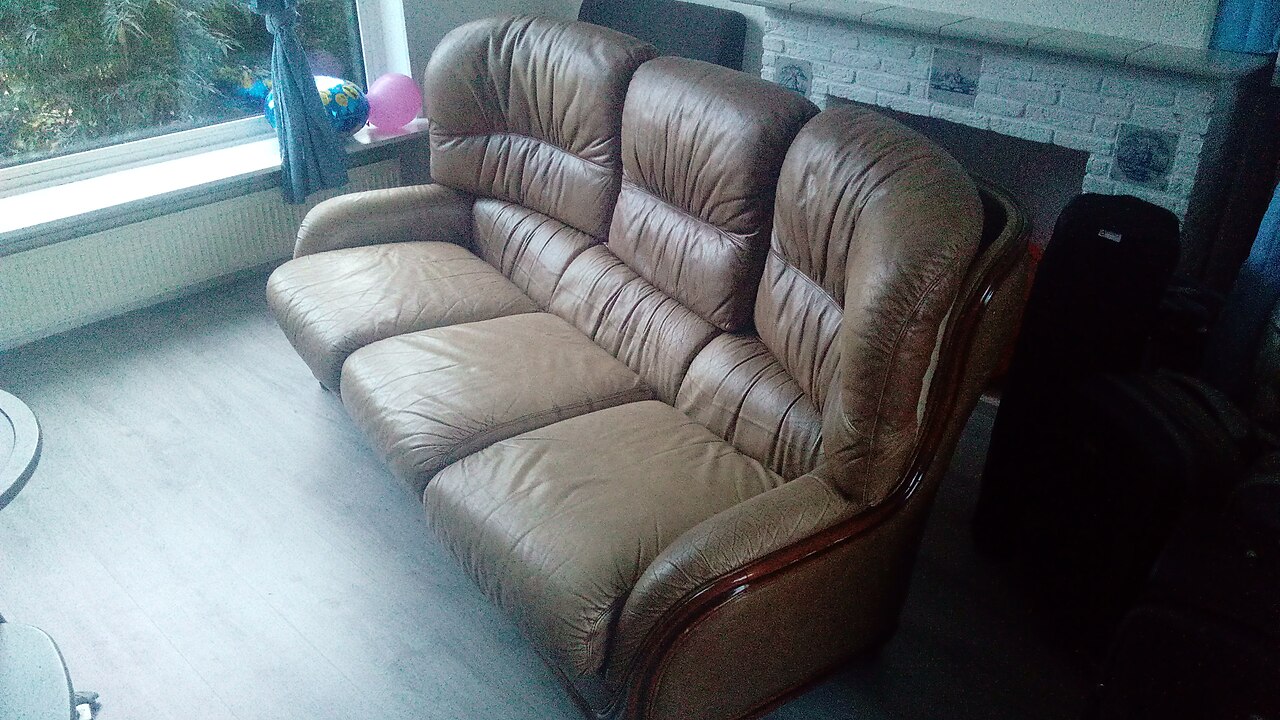
To clean a leather couch, first check the tag for the upholstery code (W, S, WS, or X), then vacuum the crumbs from the seams. Wipe the surface with a cloth dampened in a drop of mild soap and water, wipe again with a clean damp cloth, dry with a towel, and finish with a leather conditioner.
What you'll need
- A vacuum with a soft brush attachment (or a handheld)
- Two or three microfiber cloths
- A small bowl of lukewarm water
- A few drops of mild dish soap or a dedicated leather cleaner
- Leather conditioner or cream
- A dry bath towel
Step by step
- Find the cleaning code first. Flip a cushion and read the tag: W means water-based cleaner is fine, S means solvent only (no water), WS means either, and X means vacuum only. The wrong solvent can stain or crack the fabric, so let the letter decide your method before you touch anything wet.
- Vacuum the crumbs. Use the soft brush to lift dust from the surface, then run the crevice tool along every seam and under the cushions. NYC apartments collect grit fast, and dry grit is what scratches leather over time.
- Test a hidden spot. Dampen a cloth with your water-and-soap mix, wring it nearly dry, and dab the back of an arm or a rear panel. Wait a few minutes to confirm no color lifts.
- Wipe the surface. Working one section at a time, wipe with the barely-damp cloth. The cloth should be damp, never wet. Rinse and re-wring often so you're lifting dirt, not smearing it.
- Wipe again with clean water. Go over each section with a second cloth dampened in plain water to remove any soap film.
- Dry immediately. Blot with the bath towel. Do not let leather air-dry in a puddle near a steam radiator, where the heat can dry and stiffen it.
- Condition. Once fully dry, rub a thin layer of conditioner in circles with a clean cloth, then buff. This keeps the leather supple in dry radiator-heated winter air.
What NOT to do
Skip the all-purpose sprays, glass cleaner, bleach, and any product with ammonia or alcohol; they strip the finish and leave leather dull and brittle. Never soak the surface or use a soaking-wet cloth, since water can leave dark rings on some finishes and works into seams. Don't scrub with anything abrasive, including "magic" eraser sponges, which can rub the color right off. Keep the couch off the radiator and out of direct sun by a window, both of which fade and crack leather. And on a couch tagged X, put the wet cloth away entirely and stick to vacuuming.
When to call a pro
DIY handles surface dust, light body oil, and the occasional smudge. But water rings on a suede or microfiber-look piece, deep-set stains, ground-in ink, or a smell that won't air out are past what a damp cloth can fix, and the wrong home remedy usually makes them worse. In a small apartment where you can't move the couch outside or open a window to ventilate, that's the moment to bring in help. Book a deep cleaning with CleanWhale and let a trained tech assess the material first.
FAQ
How often should I clean my leather couch?
Vacuum and give it a quick wipe every couple of weeks, and do a fuller clean-and-condition every three to six months. In a dry, radiator-heated apartment, lean toward the more frequent end so the leather doesn't stiffen.
Can I use baby wipes on leather?
It's better not to. Many wipes contain alcohol or other solvents that break down the finish over time. A cloth wrung out in mild soapy water gives you more control and won't leave residue.
How do I get an ink or grease stain out?
For fresh grease, blot with a dry cloth and let a little cornstarch sit on it before vacuuming. Ink is stubborn and risky to treat at home, since solvents can spread it, so a set-in ink stain is worth leaving to a pro.
What's the difference between the W and S codes?
W means the fabric tolerates water-based cleaners, while S means water can stain it and you should use a solvent-based product only. WS accepts both. Always match your cleaner to the letter on the tag.
Related guides