


















Your Ultimate Dust and Allergen Checklist for Apartment Cleaning in New York During Allergy Season
 18.05.2026
Living in New York City comes with its unique set of challenges, especially when it comes to maintaining a clean apartment during allergy season. With pollen counts rising and dust accumulating in our homes, it's essential to have a strategic cleaning plan to keep allergens at bay. In this article, we'll provide you with a comprehensive dust and allergen checklist tailored for New Yorkers, ensuring your apartment remains a haven of clean air and comfort.
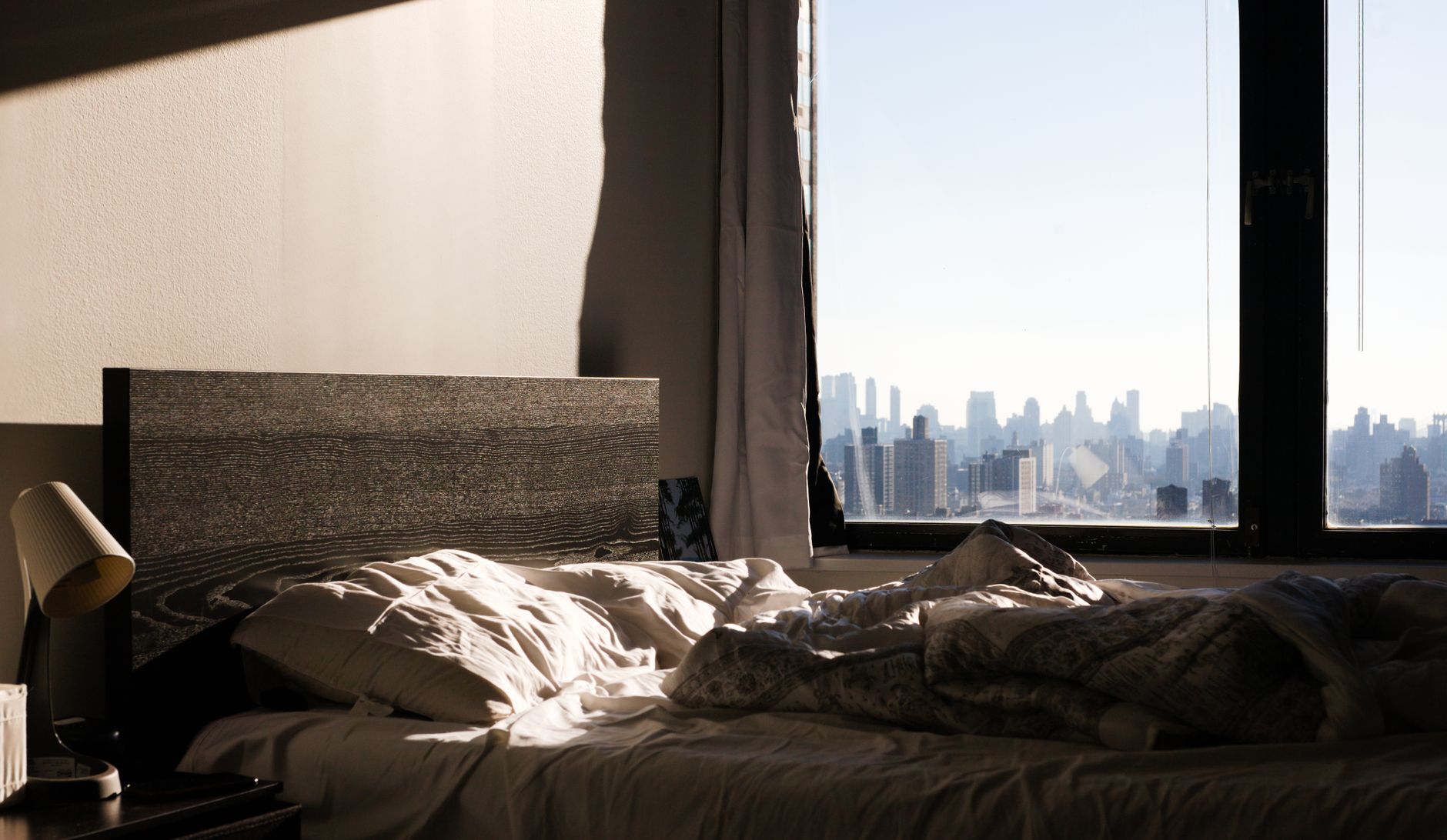
Understanding Allergens in Your New York Apartment
Before diving into the cleaning checklist, it's crucial to understand the common allergens that can affect your living space. In New York, the primary culprits include pollen, dust mites, pet dander, and mold spores. These allergens can exacerbate symptoms such as sneezing, itchy eyes, and respiratory issues, making it vital to address them effectively. The dense urban environment of New York can also contribute to higher levels of air pollution, which can compound these issues.
Essential Cleaning Supplies for Allergy Season
To tackle allergens effectively, you'll need the right cleaning supplies. Here's a list of essentials to keep on hand:
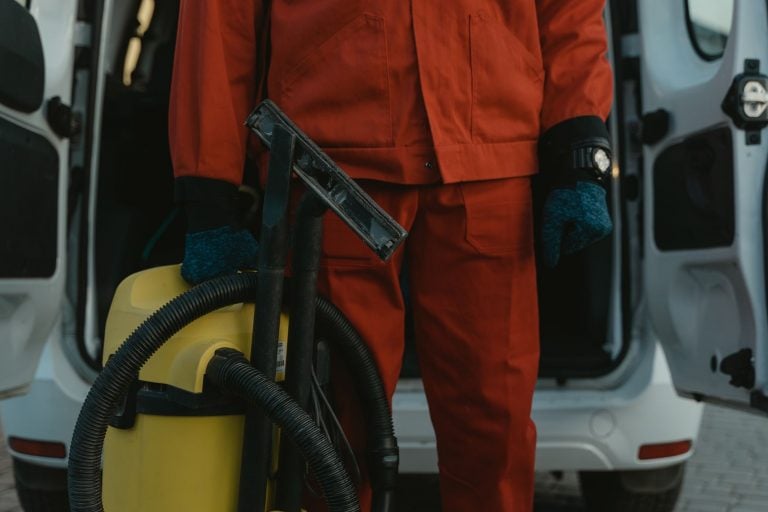
• HEPA Vacuum Cleaner: A vacuum with a HEPA filter is crucial for trapping fine particles and preventing them from recirculating in the air. Consider models specifically designed for allergy sufferers.
• Microfiber Cloths: These cloths attract and hold dust better than traditional cotton cloths, making them indispensable for dusting surfaces.
• Non-Toxic Cleaning Solutions: Opt for hypoallergenic and fragrance-free cleaning products to avoid triggering allergies. Look for products labeled as safe for allergy sufferers.
• Air Purifier: A high-quality air purifier can significantly reduce airborne allergens. Choose one with a HEPA filter and consider additional features like a carbon filter for odors.
• Dust Mite Covers: Use these on pillows and mattresses to minimize exposure to dust mites. They are especially important for those with dust mite allergies.
Weekly Cleaning Routine for Allergen Control
Implementing a regular cleaning routine is essential for maintaining a low-allergen environment. Here's a weekly plan to follow:
• Vacuum Floors and Carpets: Use your HEPA vacuum on all floors and carpets at least twice a week. Pay special attention to corners and under furniture where dust can accumulate.
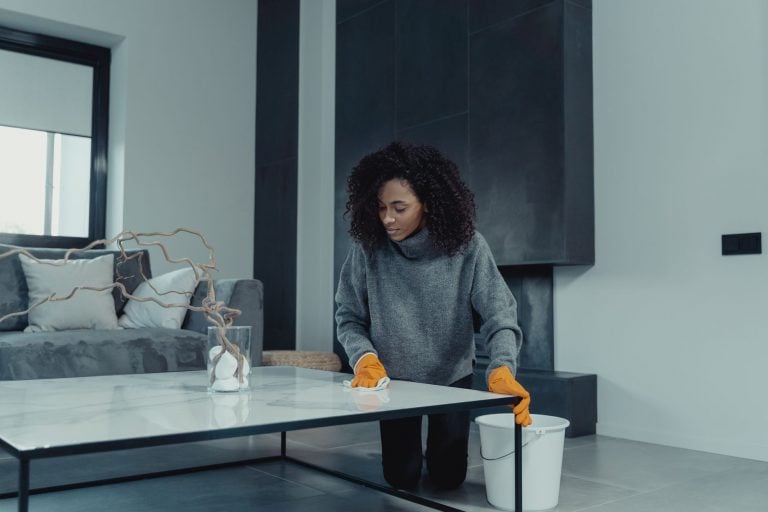
• Dust Surfaces: Wipe down all surfaces with a damp microfiber cloth to capture dust effectively. Don't forget often-overlooked areas like ceiling fans and light fixtures.
• Launder Bedding: Wash sheets, pillowcases, and blankets weekly in hot water to kill dust mites. Consider using allergy-proof covers on pillows and mattresses.
• Clean Air Vents: Dust and vacuum air vents to prevent the circulation of allergens. This is especially important in older buildings where dust can easily accumulate.
• Bathroom Maintenance: Regularly clean tiles and grout to prevent mold growth. Use mold-specific cleaners and ensure good ventilation to keep moisture levels low.
Monthly Deep Cleaning Tasks
In addition to weekly tasks, monthly deep cleaning can further reduce allergens:
• Wash Curtains and Blinds: These can harbor dust and should be cleaned monthly. Consider replacing heavy drapes with washable curtains or blinds that are easier to clean.
• Clean Upholstery: Vacuum and spot-clean furniture to remove accumulated dust and dander. Use upholstery cleaners that are safe for allergy sufferers.
• Replace Air Filters: Change HVAC filters every month to ensure optimal air quality. Consider using filters with a higher MERV rating for better filtration.
• Check for Mold: Inspect areas prone to moisture, such as under sinks and around windows, for mold. Address any leaks or condensation issues promptly to prevent mold growth.
Practical Checklist for Dust and Allergen Control
Here's a handy checklist to ensure you're covering all bases in your allergen control efforts:
• Use a doormat to reduce dirt and pollen tracked indoors. Encourage family members and guests to remove shoes upon entering.
• Keep windows closed on high pollen days. Use air conditioning to keep your apartment cool without letting in outdoor allergens.
• Regularly groom pets to reduce dander. Consider using pet-specific wipes to reduce allergens between baths.
• Declutter to minimize dust accumulation. Fewer items mean fewer places for dust to settle.
• Invest in a dehumidifier to reduce mold growth. Maintain indoor humidity levels between 30% and 50%.
Pricing Factors for Professional Cleaning Services
When considering professional cleaning services in New York, several factors can influence pricing:
• Size of the Apartment: Larger spaces require more time and resources, affecting the overall cost.
• Frequency of Cleaning: Regular maintenance can be more cost-effective than one-time deep cleans.
• Specific Services Required: Additional services like upholstery cleaning or mold remediation may incur extra charges.
• Location: Proximity to the cleaning service provider can influence travel costs and availability.
Booking Checklist for Cleaning Services
When booking a cleaning service, consider the following checklist to ensure you get the best service:
• Verify the company's experience with allergy-specific cleaning.
• Check for customer reviews and testimonials.
• Ensure the use of non-toxic and hypoallergenic cleaning products.
• Confirm the inclusion of HEPA-filtered equipment in their cleaning process.
• Discuss any specific allergy concerns you have with the provider.
Common Mistakes to Avoid During Allergy Season Cleaning
Even with the best intentions, some cleaning practices can inadvertently worsen allergy symptoms. Here are common mistakes to avoid:
• Using Scented Cleaning Products: While they may smell pleasant, scented products can irritate sensitive respiratory systems. Stick to fragrance-free options.
• Ignoring Ventilation: Proper airflow is crucial in preventing mold and mildew. Always ensure good ventilation when cleaning, especially in bathrooms and kitchens.
• Overlooking Soft Surfaces: Carpets, rugs, and upholstery can trap allergens. Regularly clean these surfaces to prevent buildup.
• Skipping Regular Maintenance: Infrequent cleaning can lead to a buildup of allergens. Stick to a consistent cleaning schedule to maintain a healthy environment.
FAQs About Apartment Cleaning During Allergy Season
Q: How often should I vacuum my apartment?
A: Aim to vacuum at least twice a week, focusing on high-traffic areas and using a vacuum with a HEPA filter. This helps reduce dust and allergens effectively.
Q: Can air purifiers help with allergies?
A: Yes, air purifiers with HEPA filters can capture airborne allergens, improving indoor air quality. They are particularly useful in bedrooms and living areas.
Q: What should I do if I notice mold in my apartment?
A: Address mold immediately by cleaning with a mold-specific cleaner and improving ventilation to prevent recurrence. If the problem persists, consider professional mold remediation services.
Why Choose Our Cleaning Services in New York?
At [Your Company Name], we understand the challenges of maintaining a clean apartment during allergy season in New York. Our professional cleaning team is equipped with the latest tools and techniques to ensure your home is free from allergens, providing you with a comfortable and healthy living environment. Whether you need a one-time deep clean or regular maintenance, we're here to help.
Contact us today to schedule your apartment cleaning and breathe easier this allergy season!