




















How to Clean a Mirror Without Streaks (Small-Apartment Method)
 03.08.2026

To clean a mirror without streaks, spray a light mist of glass cleaner (or a 1:1 water-and-white-vinegar mix) onto a flat-woven microfiber cloth, not the mirror. Wipe top to bottom in overlapping S-strokes, then buff dry immediately with a second clean, dry microfiber cloth. Work in good light so you can spot smears before they set.
What you'll need
- Two flat-woven microfiber cloths: one damp for cleaning, one bone-dry for buffing (paper towels shed lint and leave streaks)
- Glass cleaner, or a spray bottle with a 1:1 mix of distilled water and white vinegar
- Distilled water if your tap runs hard (NYC tap is mostly soft, but old building plumbing can leave mineral spots)
- A dry cloth or old sock for reaching a mirror mounted above a radiator or behind a pedestal sink
- A small step stool for a tall bathroom or closet-door mirror
Step by step
- Dust first. Wipe the glass with a dry cloth to lift hair, lint, and toothpaste flecks. Rubbing cleaner over grit just smears it around.
- Spray the cloth, not the mirror. In a tight bathroom, over-spraying drips down onto the frame, caulk, and outlet covers. A misted cloth gives you control.
- Wipe in overlapping S-strokes from the top corner down. A consistent pattern helps you see any patch you missed.
- Hit the trouble spots. Use a corner of the cloth on splatter near the sink and dried water spots along the bottom edge.
- Buff dry right away with the second, dry cloth. This is the step most people skip, and it is what actually removes streaks. Follow the same top-to-bottom path.
- Check your work at an angle. Step to the side and look across the glass toward a window or lamp. Streaks and haze show up in raking light that you cannot see head-on.
What NOT to do
- Do not clean a mirror that is warm or fogged from a shower. Cleaner evaporates too fast on warm glass and dries into streaks before you can buff. Wait for it to cool, or run the exhaust fan first.
- Do not let cleaner pool at the bottom edge. Liquid that seeps behind the glass or under the frame can damage the silver backing and cause black spots or edge corrosion that never comes out.
- Do not use paper towels or newspaper. They leave lint and, on modern soy-ink newsprint, can smear.
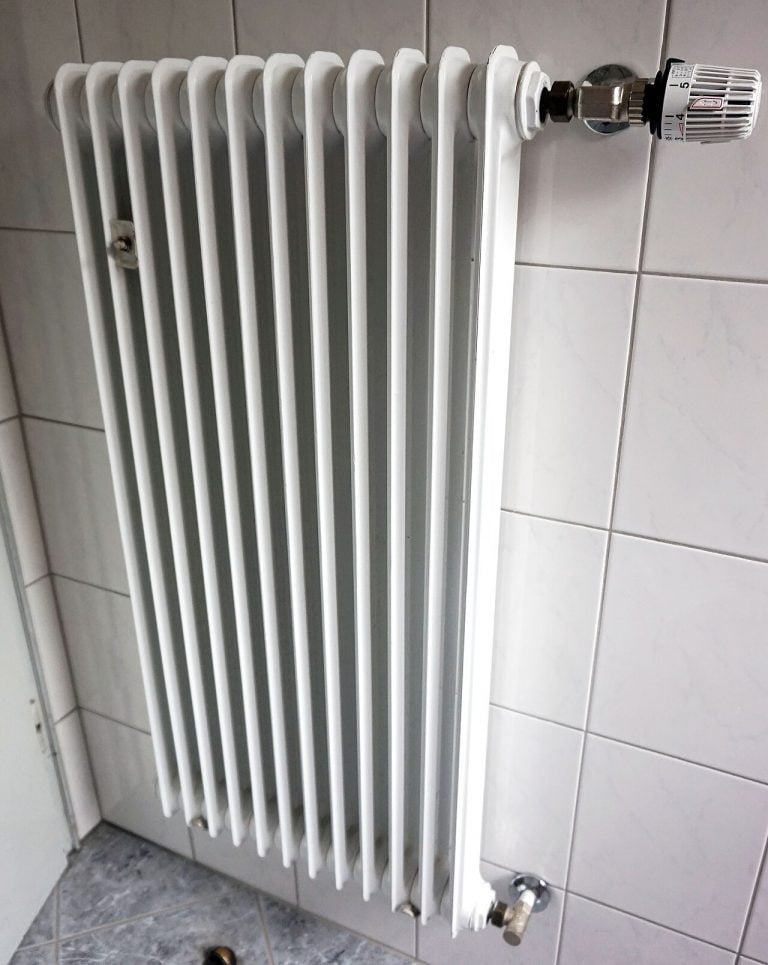
- Do not spray near a mirror mounted over a steam radiator. Overspray on hot metal flashes off and can leave residue, and the frame joint above it is exactly where liquid loves to wick in.
- Skip ammonia-based cleaners on a mirror with a decorative or painted frame or antique/beveled edges; drips can dull the finish.
When to call a pro
DIY handles the day-to-day smudges fine. But a full-length closet mirror you cannot reach safely, a medicine-cabinet mirror with a corroding backing, or a whole apartment's worth of glass before a move-out inspection is a different job, especially when you are short on time, storage for supplies, or a stable place to put a ladder. If you would rather hand off the bathroom, the windows, and everything else at once, book apartment cleaning with CleanWhale and we will bring our own kit.
FAQ
Why does my mirror streak even with glass cleaner?
Usually it is too much product, no dry buff, or a dirty cloth. Use a light mist, always follow with a dry microfiber pass, and swap in a fresh cloth once yours feels damp all over.
Can I clean a mirror with just water?
For light dust, a damp microfiber cloth and a dry one can be enough. For toothpaste, hairspray, or grease film near the sink, you will want a glass cleaner or the vinegar-and-water mix to cut through it.
How do I get rid of hairspray or toothpaste buildup?
Dampen the cloth with a little more cleaner, hold it flat against the spot for a few seconds to soften the film, then wipe and buff dry. For stubborn hairspray, a touch of rubbing alcohol on the cloth helps; keep it off the frame.
What is the best cloth for a streak-free mirror?
A flat-woven (not waffle-weave) microfiber cloth. Keep one for cleaning and one strictly for the final dry buff, and wash them without fabric softener, which coats the fibers and causes streaks.
Related guides