






















How to Prevent Mice in a NYC Apartment
 02.07.2026

To prevent mice in a NYC apartment, seal every gap they can squeeze through — especially the holes where radiator and sink pipes enter the wall — with steel wool packed in caulk. Then cut off food and water: keep dry food in metal or glass, take out trash nightly, and wipe up crumbs and standing water. Mice need a way in and a reason to stay; remove both.
What you'll need
- Coarse steel wool or copper mesh (mice can't chew through it)
- A tube of caulk or expanding foam to hold the mesh in place
- A flashlight for checking under the sink, behind the stove, and around radiator pipes
- Airtight containers: glass jars or metal tins for pantry staples
- A small dustpan brush and all-purpose cleaner for crumbs
- A lidded, hard-sided trash can
- Painter's tape and a door sweep for the gap under your apartment door
Step by step
- Find the entry points. With your flashlight, check where pipes pass through the wall under the kitchen sink and bathroom vanity, and where steam radiator pipes come up through the floor. A gap the width of a pencil is enough for a mouse.
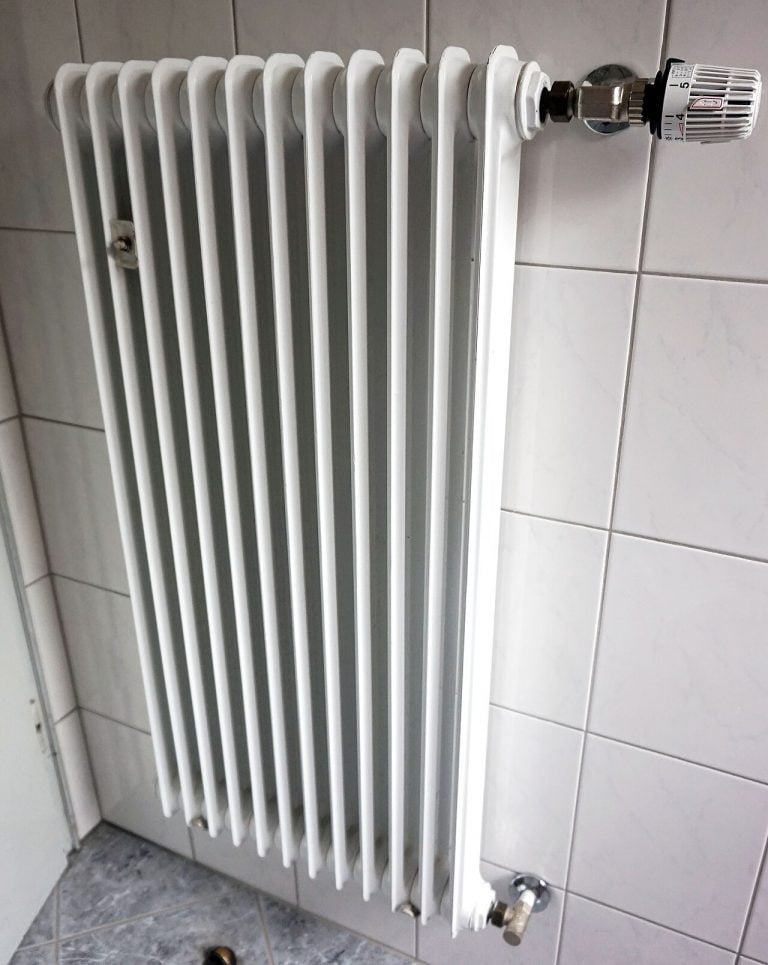
- Pack and seal the gaps. Stuff coarse steel wool or copper mesh tightly into each hole, then lock it in with caulk or foam so it can't be pulled out. Do the same around the base of the radiator pipe — leave the pipe itself clear, since it gets hot.
- Seal the door gap. If you can see daylight under your front door, add a door sweep. Mice slip through the space between the door and the threshold.
- Lock up the food. Move rice, pasta, cereal, flour, and pet food into glass or metal containers. Cardboard and plastic bags are no barrier.
- Kill the water source. Fix a dripping faucet, dry the sink at night, and don't leave standing water in a pot or the dish rack. In a small apartment, that under-sink drip is often the whole reason they stay.
- Take out the trash nightly and keep it in a hard-sided can with a tight lid, not an open plastic bag on the floor.
- Clean the hidden spots — behind and under the stove, the toe-kick under cabinets, and the corners where crumbs collect. These are the routes mice actually travel.
What NOT to do
Don't stuff a gap with plastic, spray foam alone, or a dish sponge — mice chew straight through all three. Steel wool or copper mesh has to be the barrier; foam and caulk only hold it. Don't foam over a hot steam radiator pipe or wedge material against it; keep flammable material off anything that heats up. Don't rely on peppermint oil, ultrasonic plug-in devices, or scattered dryer sheets as your only defense — they don't seal a hole or remove food. And don't ignore the wall behind the stove because it's hard to reach; that's the corner mice like best.
When to call a pro
DIY sealing and food storage prevent most mouse problems, but there's a line. If you're seeing droppings daily, hearing scratching in the walls, or the gaps run into a shared wall or riser you can't access, that's your landlord's job — in NYC, pest control in a multi-unit building is the owner's legal responsibility, so put the request in writing. And once mice have been in, the real work is a deep clean of the areas they nested and traveled: behind appliances, inside cabinets, along baseboards. If you want that reset done thoroughly before you move in fresh containers and seal up, book apartment cleaning with CleanWhale and start from a genuinely clean baseline.
FAQ
How do mice get into a high-floor apartment?
They climb. Mice travel up through wall voids, along pipe chases, and up the risers that run between floors, so a sixth-floor unit is no safer than the ground floor. That's why sealing the pipe gaps inside your own apartment matters more than which floor you're on.
Do peppermint oil and ultrasonic devices actually keep mice away?
Not reliably on their own. Strong scents may briefly discourage mice, but they don't block an entry point or remove a food source, and mice adjust quickly. Sealing gaps and cutting off food and water do the real work; treat scents as an optional extra, not a plan.
My apartment is spotless and I still have mice — why?
Mice often come from the building, not your habits. In a multi-unit building they travel between apartments through shared walls and pipe openings, drawn by a neighbor's food or garbage. You can only control your own unit's gaps and food; the rest is a building-wide issue for your landlord or a licensed exterminator.
Is it safe to just plug the hole and leave any mice inside?
Seal entry points when you're confident nothing's currently living inside, otherwise you can trap an animal in the wall. If you suspect active mice, address the infestation first — with traps or a professional — and then close the gaps so new ones can't follow the same path back in.
Related guides