






















Black Dust on Your Windowsill: What It Is and How to Clean It
 01.07.2026

Black dust on your windowsill is usually soot: fine airborne particles from street traffic, building boilers, and steam-radiator heat, pulled in through a drafty or slightly open window. It's not mold (mold is fuzzy or spotty, not powdery). Wipe it with a damp microfiber cloth, and seal air gaps around the window to slow it down.
What you'll need
- Two microfiber cloths (one damp, one dry)
- Warm water with a drop of dish soap
- A small handheld vacuum or your vacuum's brush attachment
- Paper towels for the first pass
- Removable foam weatherstrip or rope caulk (renter-safe, peels off later)
- A HEPA-rated filter for your window AC or air purifier, if you run one
Step by step
- Vacuum first. Soot smears badly when wet, so lift the loose layer with a brush attachment or handheld vac before you touch it with water.
- Do a dry paper-towel pass to grab whatever the vacuum missed. Toss the towels; don't shake them out over the floor.
- Wipe with a microfiber cloth dampened in warm soapy water. Work in one direction toward the outer edge so you're not pushing grime back into the track.
- Clean the window track and the sill's front lip, where soot collects most. A cotton swab gets into the corners.
- Dry with the second cloth. A dry surface shows you the true color and tells you whether streaks are residue or the window glass itself.
- Check the gaps. Run your hand around the closed window on a windy day. Where you feel a draft, that's where the dust is entering.
- Apply removable weatherstrip or rope caulk to those gaps. It presses into place and peels off cleanly, so your landlord's paint stays intact.
What NOT to do
Don't scrub a painted wood sill with an abrasive pad or a scouring powder; it dulls the finish and can lift old paint, which in a pre-war NYC building may be a bigger problem than the dust. Skip ammonia-based glass cleaner on the sill if the paint is aging. Don't wet-wipe soot before vacuuming, since water turns it into a gray smear that works into the grain. And never assume black powder is mold and reach for a disinfectant, folfollowing label directions is required for any such product, and misidentifying soot just wastes it. If the deposit is fuzzy, damp to the touch, or keeps returning in the same spot near a cold corner, treat it as a moisture issue, not dust.
When to call a pro
DIY handles the surface soot, but it won't fix the source. If black dust reappears within days no matter how often you wipe, the cause may be a failing window seal, a nearby exhaust vent, or heavy street-level traffic that no weatherstrip fully stops, and that's a conversation for your landlord or building management. If you're moving out and need the sills, tracks, and windows spotless for a walkthrough, or you simply don't have the time and storage for the supplies, book apartment cleaning with CleanWhale and we'll handle the detail work.
FAQ
Is black dust on my windowsill dangerous?
The black powder itself is typically soot, fine particulate from traffic and heating systems. It's a common feature of city living rather than a sign your apartment is unclean. If anyone in the home has asthma or allergies, running a HEPA air purifier and keeping the window sealed helps reduce how much settles.
How do I know it's soot and not mold?
Soot is dry, fine, and powdery, and it wipes away to reveal a clean surface underneath. Mold tends to look fuzzy or spotted, feels slightly damp, and often shows up on cold corners or around a leaky window frame. If it returns in the same damp spot after cleaning, treat it as moisture.
Why is there so much more dust near my radiator and window?
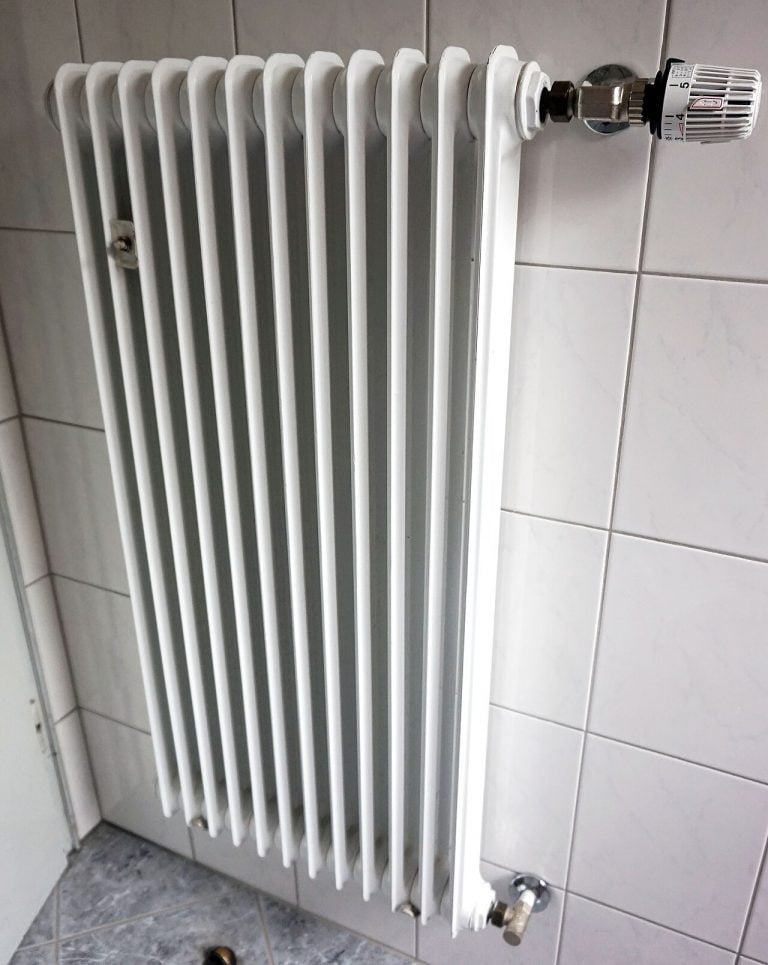
About three in four NYC apartments have steam heat, and radiators create air currents that carry fine particles upward and deposit them on nearby sills and shelves. A window that's drafty or cracked open adds street soot on top of that. Sealing the window gaps makes the biggest difference.
How often should I clean it?
In a busy NYC neighborhood, a quick microfiber wipe once a week keeps it from building into a stubborn layer. Once you've sealed the air gaps, you'll likely stretch that to every couple of weeks.
Related guides